Acquired
Three-to-five-hour company histories; the deepest research in podcasting
 3:50:20
Seinfeld Stopped Airing Nearly 30 Years Ago; Its Copyright Revenue Is Now Over $7 Billion
A 1970s rule that prohibited TV networks from holding financial equity in programs let production companies capture nearly all long-term revenue—a comedy that cost $250 million to produce has become a copyright asset that can still generate another $1 billion per decade.
 3:35:02
Home Depot Has the Best Return Since IPO, and It Isn't From Selling Cheap
It packaged education into retail: a customer asks how to fix something, and the associate stops and teaches. A 25-cent washer leads to a $100,000 kitchen remodel — value no Six Sigma spreadsheet can manage.
 4:32:56
ESPN's Four Years of Profit Bought Pixar, Marvel and Lucasfilm — and Also Held Disney Back
Disney's thirty-year empire was fed by two cash cows: VHS tapes and ESPN subscription fees. Streaming made that structural advantage obsolete — the IP lives forever, but the old business model doesn't.
 4:31:29
Disney's Moat Isn't IP — It's Walt's Flywheel Design
Disney's moat isn't the IP itself, but the flywheel Walt built with engineering after marrying art and commerce in his head: high-quality animation, maximum distribution, injected auxiliary nodes, then decades of compounding.
 3:48:05
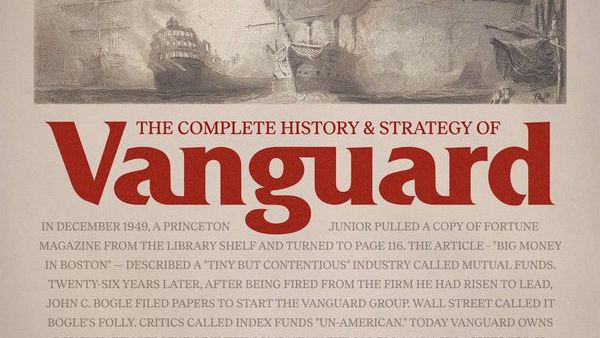
Sacrificing all profit made Vanguard impossible to copy
Vanguard's moat is not scale or brand, but an economic paradox: rivals wanting to replicate it must either keep profits and abandon price competition, or cut to zero profit and make operations unsustainable.
 4:51:25
Quartz watches nearly destroyed Swiss watchmaking; Rolex won through patience, not innovation
When quartz watches nearly crushed the Swiss watch industry, Rolex didn't follow the crowd into transformation. Instead, it waited for competitors to panic and exit, then counterattacked with a proven luxury strategy—leveraging the patience that only an independent company can afford.
 2:53:29
The cheapest retailer owns America's wealthiest shoppers
Costco uses membership fees and bulk-purchase minimums as filters, screening out cash-flow-sensitive customers; the remaining members average $125,000 annual income, far above Walmart customers.
 3:59:20
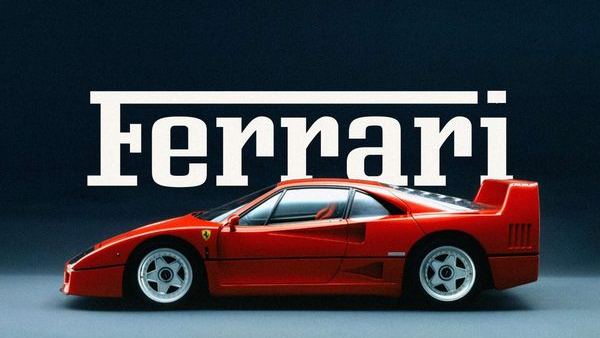
Ferrari Makes 14,000 Cars a Year and Is Worth More Than Ford: It Sells Exclusion, and Inclusion Too
Ferrari builds only about 14,000 cars a year, yet its market cap exceeds Ford's. The secret is holding luxury-goods exclusivity and sports-team inclusivity at the same time — manufacturing myth through scarcity, sustaining loyalty through community.