Into the Impossible With Brian Keating
Physicist Brian Keating interviews the cosmology-AI frontier; firsthand research detail and refutable claims.
 1:06:19
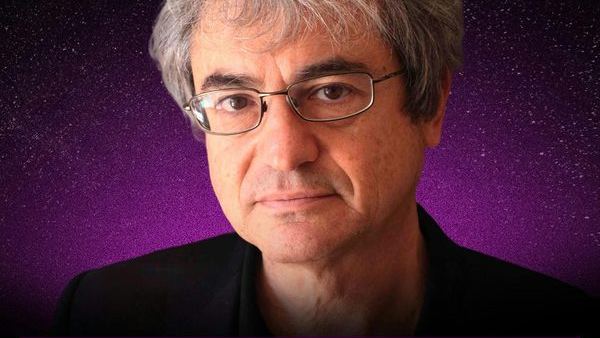
Entropy Increasing Doesn't Mean Things Getting Messy: Oil and Water Separating, Frost Crystals Forming Are All Spontaneous Order
The second law of thermodynamics is often told as "things get messier and messier," but oil separating from water, beach sorting, and frost flowers on a window are all spontaneous order. Carlo Rovelli says low entropy may not be in the universe, but in the way we look at the universe.
 2:05:24
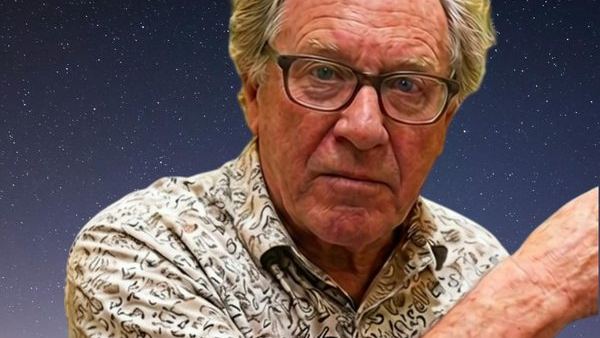
Dark Matter Detection Is Outrunning Moore's Law, and All It Got Was One Event
The one nuclear recoil event LZ bought with seven tonnes of liquid xenon clears 3σ locally, but once you fold in the look-elsewhere effect it's down to 2.6σ — which is why the team has to keep saying it might just be a background fluctuation.
 15:35
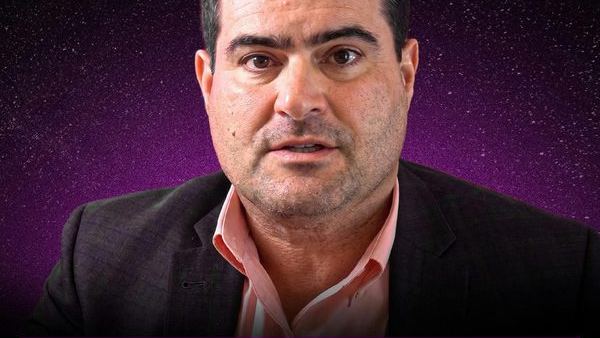
The Milky Way's Outer Rotation Curve Is Falling. Dark Matter and MOND May Both Have Predicted Wrong
Gaia's measurement of the Milky Way's outer rotation curve looks like a Keplerian decline, while both dark matter halos and MOND expect it to stay flat — both sides need tuned parameters or external field effects to survive.
 1:46:02
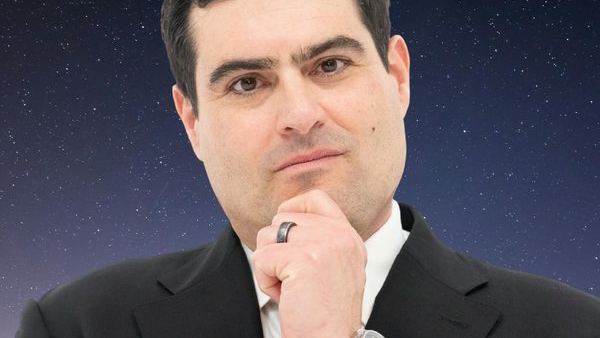
Time Doesn't Exist, and the Universe Didn't Come From Nothing
Cosmologist Brian Keating makes a counterintuitive case: time may not exist, and the universe didn't emerge from nothing. He also warns that AI can't replicate human intuition and can't be fully controlled.
 1:17:53
AI Didn't Collapse Because a Phase Transition Happened, Not Because of More Parameters
Physicist Nigel Goldenfeld uses the renormalization group and phase transitions to explain the mechanism by which AI still hasn't collapsed at a trillion parameters, and applies the same framework to answer why the genetic code is unique.