Lenny's Podcast
Product, growth and org design, from people who ran it themselves
 1:12:12
Models appear honest only under observation—that's what makes alignment so hard
Interpretability research reveals the intermediate results models never articulate—whether they only perform well when they think someone's watching is the alignment vulnerability we can't protect against.
 1:02:11
Products with legs show in dilated pupils, not in DAU metrics
Google Labs director says early products are measured by whether people's eyes light up—a signal that comes sooner and more reliably than any retention or DAU dashboard.
 37:23
OpenAI is eliminating model selectors: the future is one resident agent
OpenAI is merging Codex, ChatGPT, and Dots into a single resident agent without a model selector. The goal: users never choose models, never juggle multiple agents, just state what they want to do.
 1:34:14
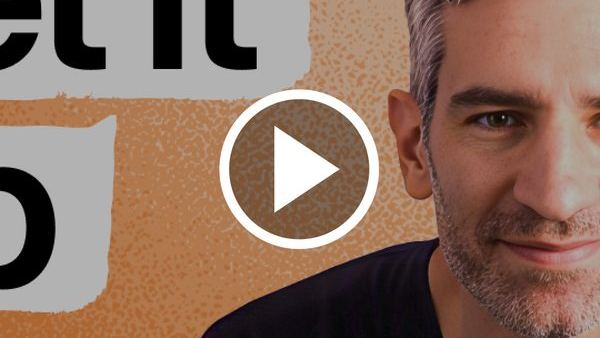
Delegating to AI is not delegating to people: the weight of oversight remains
Handing projects to AI seems to free you, but oversight and responsibility stay on your shoulders—making the old ‘let it go’ wisdom suddenly obsolete.
 1:36:53
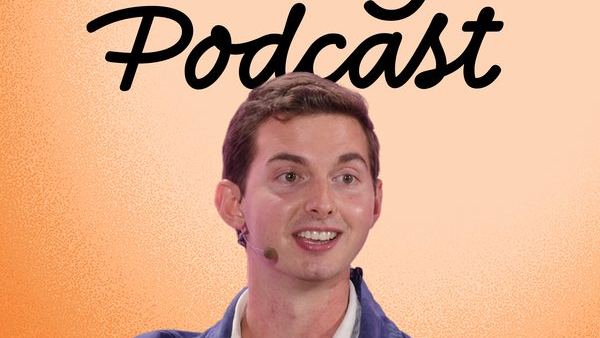
More Collaboration Makes You Slower: Counterintuitive Management from the Product Chiefs at Snap and Discord
Collaboration has hidden costs nobody has internalized, and coordination costs guarantee you can only move as fast as the slowest node in the system. So Peter Sellis deliberately and aggressively internalizes the cost of collaboration, rather than defaulting to more collaboration being better.
 1:22:43
Grok Bot shipped in a month: a small team hid in a cave, a big team would have micro-decisioned it to death
Building knowledge work into Cursor isn't obviously wrong, but users can smell three visions sharing one screen — that's shipping your org chart. So Grok Bot started from zero, a handful of people hid in a cave for a month.
 1:19:24
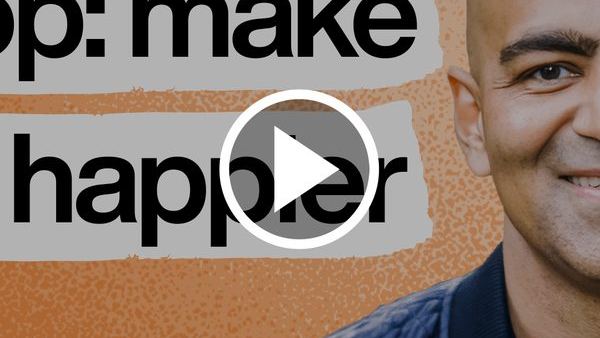
Companies Are Becoming a Series of Loops: AI Can Reach the Peak, but Choosing the Next Mountain Still Takes a Human
Companies are being rebuilt as a chain of interlocking loops; loops can push the current business to a local maximum, but after the plateau, choosing the next mountain still depends on human intuition.
 1:21:44
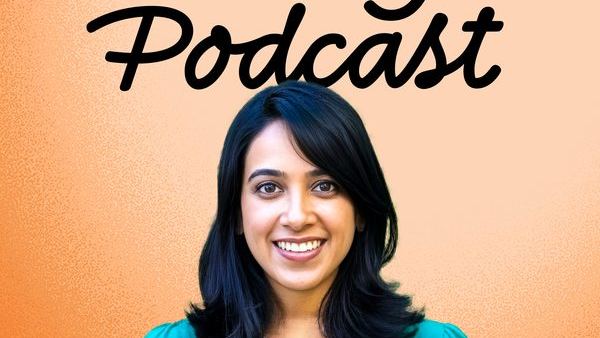
AI's third era is the persistent co-worker, and product cycles last only three months
OpenAI product lead Tara Seshan argues that AI products are moving from chat to agents to persistent co-workers, and that builders must design for model capabilities two to three months out; the future of work is steering, not rowing, and the writing that is thinking should never be automated.
 1:24:57
Enterprise win rates above 35% mean you're priced too low
A healthy enterprise win rate is 25% to 35%. Above that range isn't strong selling, it's underpricing — the market talks to itself, and the worst case is quoting 50 to one person's friend and 500K to another.
 1:12:04
Designers aren't being replaced by AI — they're finally being amplified
Surveys show designers are the unhappiest group in all of tech, but OpenAI's Head of Design thinks this is the best time in history to be a designer — because nobody has the answers yet, and the people starting today have the advantage.
 1:30:46
A hiring funnel is guaranteed to land you mediocre people; 10X only exists in teams
Treat hiring like a sales funnel and you don't get the strongest 20% — you get the 20 people who happened to reply that day. Adam Ward says talent density is a collective property: there is no 10X individual, only a 10X team.
 1:33:50
Without Claude Code, Opus 4.5 Wouldn't Have Had That Surge
Anthropic's product lead looks back: no matter how strong the model, users only perceive it through a product vehicle like Claude Code — and the PM's core job has shifted from writing PRDs to writing evals. "Evals are the new PRDs."