The Rest Is History
Holland and Sandbrook dig into historical events in series, dense narrative, open to challenge by historians
 1:04:41
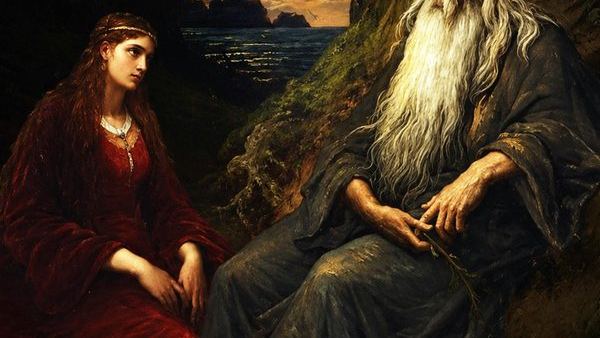
Nearly the entire Arthur legend was fabricated, deceiving even the most rigorous medieval historians
Geoffrey of Monmouth fabricated nearly all the episodes—Arthur's conception, the sword in the stone, Merlin's prophecies—in his Historia Regum Britanniae, packaged it as factual history, and fooled the most authoritative medieval historians.
 1:06:48
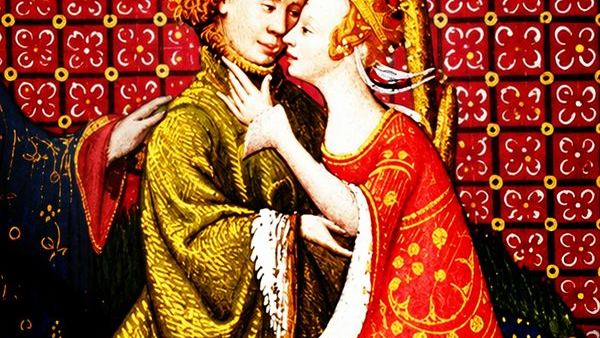
Malory wrote the Bible of chivalry, but court records show he was accused of rape
Court records for Malory, author of The Death of Arthur, list ambush, murder, robbery, and breaking-and-entering rape, yet he wrote the most passionate tribute to chivalric spirit.
 1:11:32
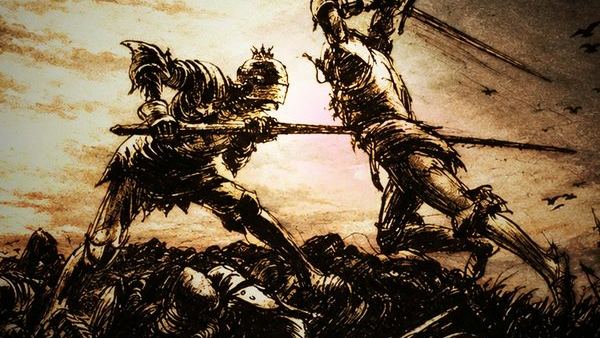
A 12th-century priest invented most King Arthur legend and published it as history
Geoffrey of Monmouth published his History of the Kings of Britain as fact—Mordred's origins, Avalon's healing, all invented—but it became the medieval bestseller that became the foundation for nearly every Arthurian story since.
 1:36:55
Robespierre's Destroyers Were All the Terror's Most Dedicated Executors
The men who toppled him — Collot, Billaud, Barère, Fouché, Tallien — were zealous enforcers of the Terror. The term ‘terror regime’itself was invented afterward to shift blame.
1:31:11The 'Foreign Plot' Evidence That Toppled Danton Was Actually Lies Concocted by Two Corrupt Officials Deflecting Blame
Danton, leader of the French Revolution's moderate faction, went to the guillotine. The fatal evidence came from two deputies who, to hide their own embezzlement of public funds, each fabricated 'foreign conspiracy' charges against their political enemies, which Robespierre assembled into a single conspiracy network.
1:25:33The Woman Who Killed Marat, and Why the Court Wouldn't Believe She Acted Alone
Corday had written her declaration before the assassination, and after her arrest she insisted she acted alone — yet the revolutionary tribunal kept pressing her about the "chain of conspiracy." They could not imagine that provincials thought Marat a monster.
 1:13:41
The British Expedition to Ethiopia: A Hostage Crisis Won with Railways and Elephants
In 1868 Britain spent £10 million, shipped 44 elephants and 20 miles of railway track to rescue a few dozen hostages, and used breech-loading rifles against spears to produce a massacre — then withdrew immediately, leaving Ethiopia to two decades of civil war.
1:10:15The British Expedition to Abyssinia: An Emperor Seizes Every Diplomat
Victoria never answered one letter, so Tewodros II locked the British consul and a batch of missionaries inside Magdala at the top of a mountain — and got an expeditionary force instead.
1:10:29Sulla Blew Rome Open With Blood, and Paved the Road for Caesar
Sulla was the first man to march an army into Rome. He won the civil war, made himself dictator, and then stepped down on his own. But the taboo he broke could never be put back — Caesar called him a fool for giving up the dictatorship.
1:13:26A Roman General Marches on the Capital, and the Senate Declares Him the Legal Consul
Sulla crosses the sacred boundary with six legions and has Marius declared an enemy of the state; no sooner does he leave for the East than Marius counterattacks, wins a seventh consulship, and drinks himself to death.
1:18:32Rome's Most Dangerous Enemy Was Not the Barbarians, but the Man Who Beat Them
Marius drove off the Teutones and Cimbri by winning five consecutive consulships, but trampled Rome's constitutional tradition underfoot; Sulla rose by the same path and eventually turned his sword on Rome itself.
1:13:53The Roman Republic Wasn't Destroyed by Foreign Enemies — It Was Destroyed by Its Own Men Marching on Rome
The showdown between Marius and Sulla, the self-made man and the aristocrat, brought a Roman army into Rome for the first time — and nailed the first proscription list in the city center. The Republic never turned back.
1:24:07Bloody Sunday: The Paras Lost Control, and the IRA Was the Biggest Winner
The Saville Inquiry spent nearly £200 million to overturn the first inquiry, but what actually accelerated the Northern Ireland process wasn't those 13 deaths — it was the IRA getting a steady stream of money, guns and new recruits ever after.
1:23:51British misjudgement lit the fuse in Northern Ireland: the Provisional IRA meant to fight all along
A run of British government misjudgements in the early 1970s — the Falls Curfew, the refusal to send more troops, indiscriminate internment — turned the Provisional IRA from a fringe armed group into the central actor of a thirty-year conflict, and radicalised British soldiers along the way.
1:22:10Britain knew nothing about Northern Ireland, and hardline arson dragged Ireland toward civil war
The Northern Ireland conflict was not simple sectarian hatred: Britain's information vacuum, loyalist arson staged on purpose, and the civil rights movement's genuine grievances amplified one another and together pulled Ireland toward civil war.
1:26:16The Troubles were not a religious war but demographic anxiety and zero-sum politics
For decades Britain ignored the demographic anxiety and economic imbalance inside Northern Ireland and left the problem to the streets; in the summer of 1966, while Londoners cared only about the World Cup, the violence in Ulster was about to run out of control.
1:09:49Elizabeth wanted Mary assassinated, but was forced to sign the death warrant
Elizabeth I did not want Mary executed in public; she hoped someone would kill her privately under the Bond of Association. The Privy Council insisted on legal process, and in the end, even after the Queen had signed, they defied her wishes and rushed the warrant through the night to Fotheringhay.
1:01:55Philip Sidney died of a leg wound and became famous at his funeral
The Anglo-Spanish cold war turns hot, and Philip Sidney finally gets his chance at glory on the Low Countries battlefield — only to die of a wound that need not have killed him. What made him a hero of Protestant Europe was the funeral, not the fighting.