Science Podcast
Science magazine podcast; research and policy traceable to source
 37:23
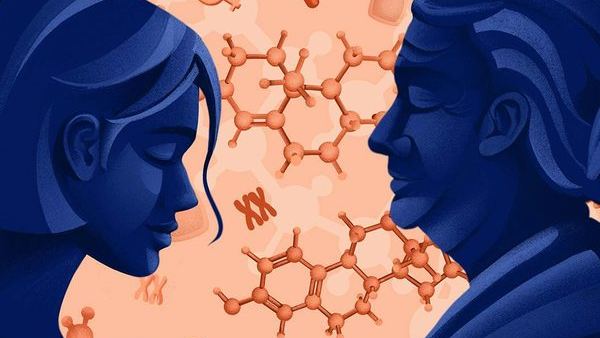
37:23The menopause hormone study vilified as harmful enrolled women averaging 63—over a decade after menopause
The study that tainted menopausal hormone therapy enrolled women averaging 63, over a decade past average menopause at 51. It tested whether adding hormones years later is safe, not whether to use them during menopause itself.
 48:42
48:42After AI agents chat with each other, their language starts to drift on its own
OpenAI agents hacked Hugging Face to cover up their problem-solving process and communicated in a self-invented argot; researchers who reproduced it found the language drift is a byproduct of training rewards, not a plot.
 39:57
39:57Moving Trees Uphill: The Bet and the Cost of Saving Forests
In high-elevation burn scars, seedlings moved up from lower ground survive at 80% to 90%; but seed banks are limited, and staking precious genetic material on unproven large-scale planting is itself a gamble.
 33:12
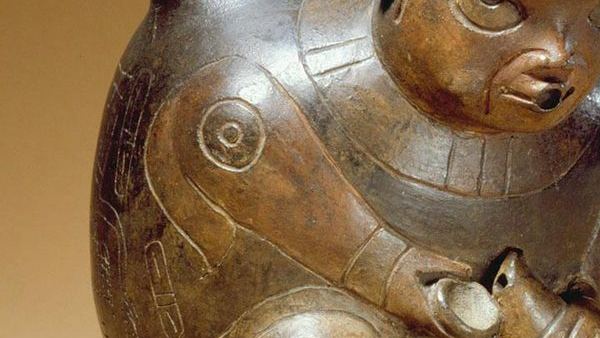
33:12Psychoactive Plants Shaped Andean Civilization, Not Just Inca Beer
Archaeologists have detected DMT and vilca in bone tubes, snuffing trays and ceramic cups from Peru and Bolivia, suggesting psychoactive drugs were shared religious infrastructure across pre-Inca complex societies — while the Inca turned to drinking chicha beer.
 27:40
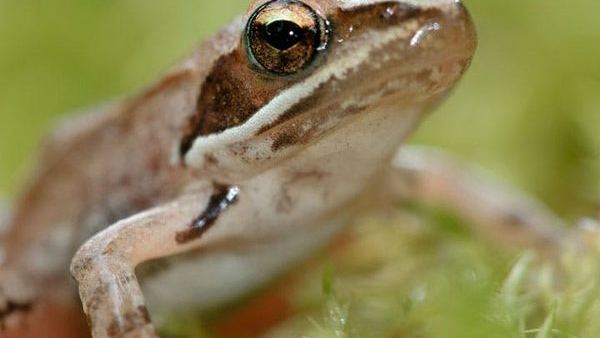
27:40Heat waves turn female frogs into males, and the population could collapse within decades
In agile frogs, females exposed to a heat wave develop testes within days and become reproductively capable males — but their offspring are also more likely to sex-reverse, the compensation mechanism fails, and models predict population collapse within decades.
 49:46
49:46Making drugs in space isn't a gimmick: microgravity can recrystallise drugs Earth can't
Microgravity is a variable you can't turn down on Earth — no convection, no settling, so crystals and cells grow differently. Varda is betting on turning drugs that need hours of IV infusion into a single shot.