This American Life
Benchmark narrative nonfiction; facts and firsthand reporting checkable
 1:00:41
The Host Who Didn't Believe in Coincidence—Until He Collected These Stories
The host originally believed only in statistical probability; after interviewing over a thousand coincidence stories, he admitted that true meaning lies not in probability but in the moment people choose to remember and tell it.
 1:02:05
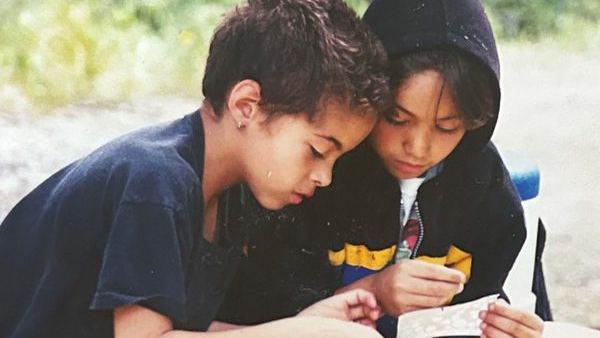
Two brothers traced their biological father's address: his barber shop is a five-minute drive away
Twin brothers used a forgotten DNA test to piece together their biological father's name, discovered his barber shop five minutes away, yet waited nearly a year to push through the door—unsure even after confronting him whether they could truly find closure.
 1:03:28
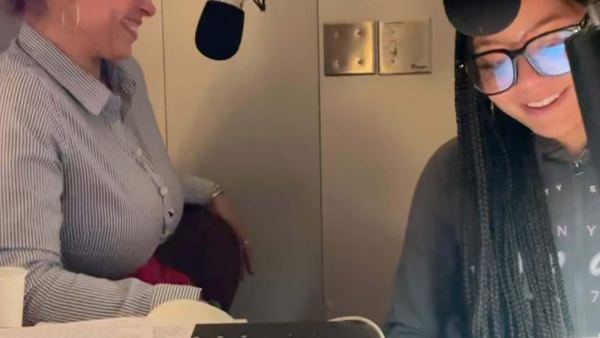
She Put Her Daughter in a Struggling School for Education Equity—Then Found Old Emails and Apologized to Her Daughter
A decade ago, her article convinced countless parents to believe in integrated education; a decade later, after finding old emails where she'd sought help from her school, she finally admitted to her daughter for the first time that she was wrong.
 1:07:32
NPR's comment section was mistaken for bots — it was actually a group of middle schoolers
NPR staff saw a flood of gibberish in the comments and their first instinct was bots, so they reported it; a younger colleague recognized it as kids whose parents had blocked social media, using a Spotify comment section as a group chat.
 1:07:10
After You Die, What's Left Isn't the Cause of Death — It's the Version of You Other People Assemble
All three stories do the same thing: once a person is dead, the people left behind can only reconstruct someone who can no longer speak from fragments — texts, obituaries, Facebook posts — and the version they assemble often bears no resemblance to how the person saw themselves.
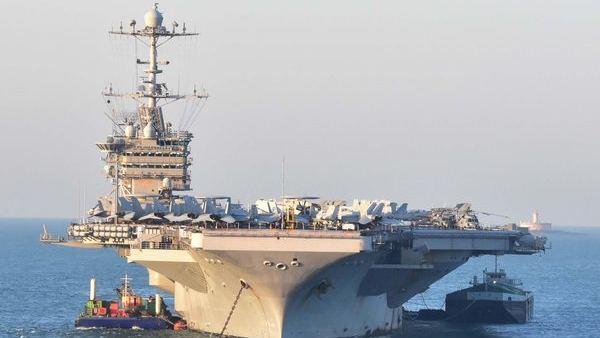 1:01:19
Only 60 of the 5,000 People on a Carrier Fight; the Rest Restock Vending Machines
On a U.S. carrier after 9/11, only fifty or sixty of the 5,000 people aboard ever touch a bomb. Everyone else spends the war restocking vending machines, doing laundry, and passing rumors — while the captain's biggest worry is whether his sailors are watching the news.