History
260 podcast deep-reads in History. Every point and quote carries a timestamp back to the moment it was said.
 35:23
Unicorn legend stems from a donkey mangled in translation: from Persian rumor to European relic
Nearly all European medieval unicorn lore traces to a book written around 400 BC by a Greek physician from hearsay—and the reputed unicorn horns turned out to be mostly narwhal tusks.
 1:37:43
Population density, not corruption or ethnic conflict, is the ceiling on African development
The author abandons mainstream explanations like corruption and ethnic conflict, arguing instead that Africa's independence-era population density of under 10 people per square kilometer is why urbanization, fiscal capacity, and infrastructure development never took off. East Asian policy models themselves, by contrast, are universally applicable.
 49:22
Caesar raised his enemy's young son into Rome's closest North African king
Paraded as a war captive at age two, Juba II was adopted into Caesar's family, raised in Rome, eventually placed by Augustus on the Mauretanian throne, and ruled for forty years without ever drawing Roman suspicion.
 44:51
Hatshepsut became pharaoh not through cross-dressing, but by claiming the symbolic office itself
She didn't disguise herself as male but rewrote kingship's visual language—the false beard—into the sign of ‘king’ and measured greatness through trade and building, not war.
 1:11:56
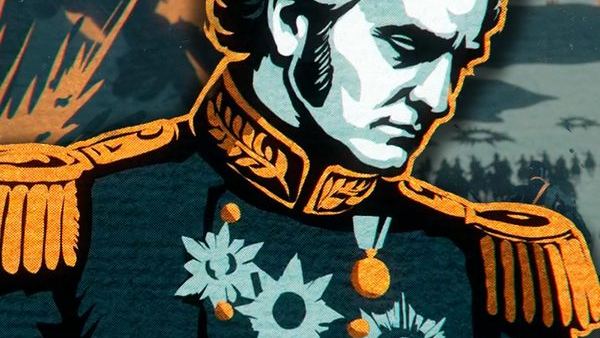
The Light Brigade's charge was not suicidal stupidity: it was tactically successful
Ambiguous orders and feuding commanders sent 600 light cavalry into a valley of three-sided artillery fire, but they genuinely routed the Russian artillery and cavalry—a strategic disaster, a tactical victory.
 49:32
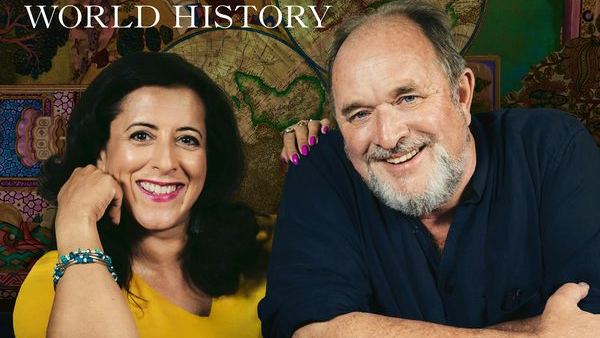
Lawrence wrote letters exposing British lies about Iraq, then faced a coordinated smear campaign from former colleagues
His scathing critique of the Iraq occupation presaged the war's reality a century later, but those very criticisms triggered a full-scale smear campaign from the India Office and Foreign Office—charging he didn't speak Arabic and had no right to speak.
43:31In court, she asked not for mercy but to be judged with her comrades
The French government thought exile and imprisonment would tame her; instead, Louise Michel refused to defend herself in court, publicly admitted to every act in the Paris Commune, and demanded a death sentence.
 35:33
The Ming opened trade when military victory failed—and war vanished
After decades of fighting pirates and Mongols to exhaustion, opening trade under Longqing ended the conflicts, revealing that trade isn't zero-sum—instead, rules often emerge from the contact surface between exhausted opponents.
57:40Lawrence went to Paris empty-handed, but the Jewish delegation secured everything with water rights maps
At the 1919 Paris Peace Conference, the Arab delegation arrived late with no documents or strategy, while the Zionist delegation had already lobbied for six weeks and prepared detailed water rights and immigration plans—the contest was fundamentally asymmetrical from the start.
 54:48
Rome's strength in roads, armies, and trade networks accelerated the plague
Historian Colin Elliott argues that the plague's death rate may have been only 1–2%, but the Roman Empire was structurally fragile, and the epidemic merely accelerated a collapse that was already inevitable.
 30:26
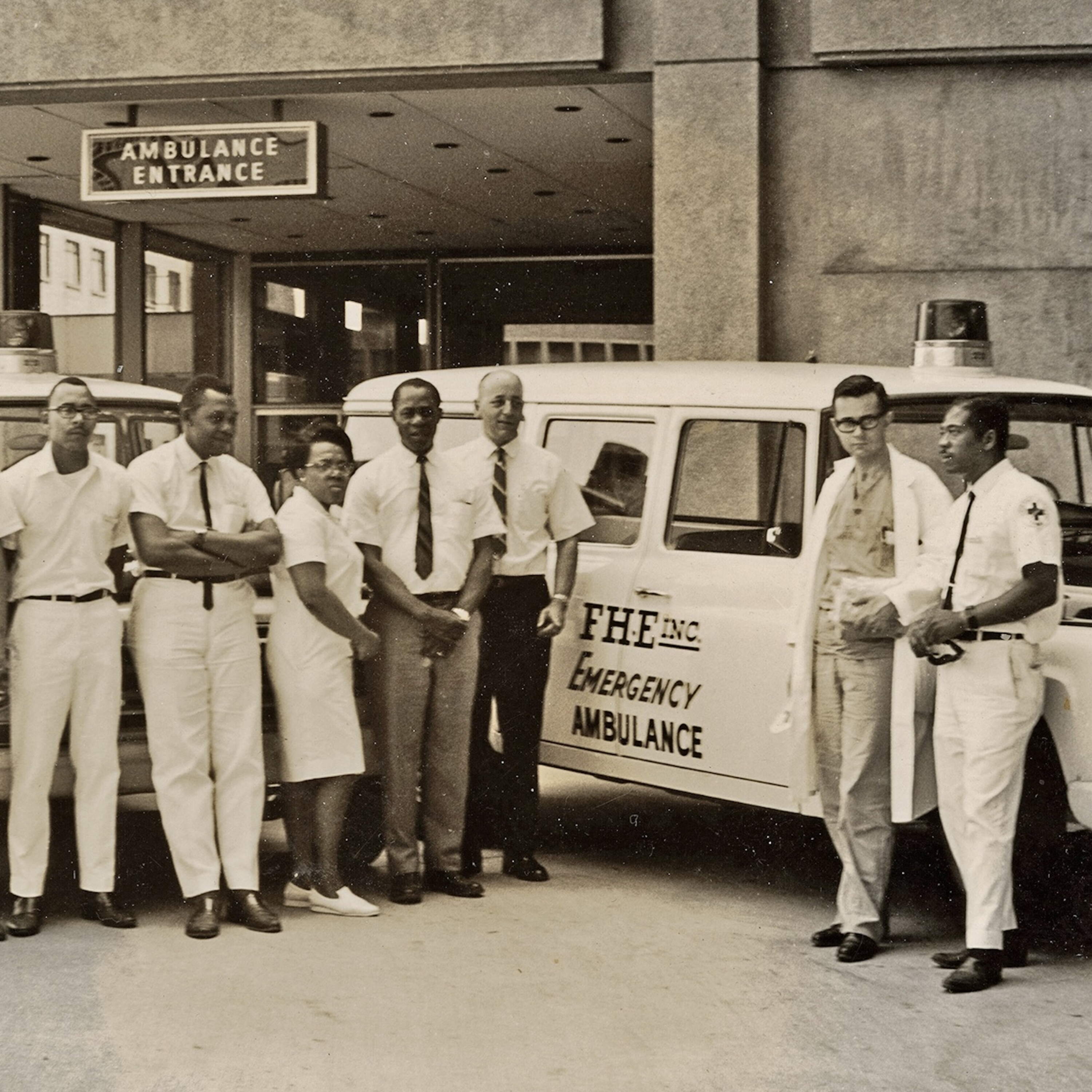
America's first paramedics trained by Pittsburgh's Black community
America's first properly trained paramedics came not from hospitals but from Pittsburgh's Hill District—a Black community organization that converted police cars into ambulances and built the prototype of the nation's EMS system on community trust.
34:53How Today's Credit Giants Started Hiring People to Gather Gossip About Your Neighbors
Today's Experian, Equifax, and TransUnion all descended from companies that made money gathering reports by prying into neighbors' private lives; racial and religious bias was baked into credit records from the industry's first day.
 1:11:46
Conan Doyle modeled Sherlock Holmes on a forensic surgeon
Joe Bell diagnosed disease by observing patient clothing, accent, and hand wounds—a 'method' his student Conan Doyle transplanted directly to Sherlock Holmes—and Bell himself did secretly help solve multiple murders.
 44:24
If Shakespeare Died in That Plague, We Might Not Know His Name
When Shakespeare was 30, theaters shut for 18 months due to plague, his patron went bankrupt, and his contemporaries Marlowe and Greene were already dead—he is remembered largely because he survived, not because he showed early genius.
36:27Lawrence ordered a massacre of 250 disarmed POWs and wrote it into his battle report
Before the Damascus campaign, Lawrence—allegedly raped in Deraa—suffered psychological collapse and ordered ‘no prisoners’ for the retreating Turkish column: 250 disarmed POWs were subsequently machine-gunned to death.
 1:09:19
Minié rifles and French cliffs won the Alma, not generals' orders
The Franco-British alliance won the Alma through the Highland regiment's Minié rifles and a French flank assault up the cliffs, not through Raglan or Saint-Arnaud's battlefield decisions—Raglan was trapped on an isolated hilltop throughout and could give no orders.
Soviet computing lost not to inferior engineering, but to transistors without a commercial market
The Ural family was genuinely mass-produced with modular design, but chronic software shortages and inadequate transistor capacity sealed its fate; the system pivoted to cloning IBM System/360 instead.
 2:13:38
St. Patrick Driving Out Snakes Was Entirely Fabricated: In Reality He Relied on Bribing Tribal Leaders to Preach
While medieval hagiographies portrayed Patrick as a superhuman warrior who shattered druids' brains and caused 12,000 deaths in a single day, his own documents reveal an ordinary bishop who bought safe passage with bribes and was marginalized by British church colleagues.
 1:03:18
In the Bronze Age, 'sacker of cities' was the highest honor for a hero
Nearly every hero in Homer's epics engaged in piracy: Odysseus's first act after leaving Troy was to raid coastal cities, and the 'sacker of cities' was precisely the Bronze Age's highest praise for a hero.
 18:22
Greene lost almost every battle but won the entire American South through war of attrition
Greene ended nearly every direct confrontation in retreat, but each time inflicted higher casualties on Cornwallis; through this dynamic of gains and losses, he ultimately exhausted British forces across the entire Southern theater.
41:09The Princes in the Tower murder: Richard III and Henry VII as suspects
The timeline of the two young princes' disappearance into the Tower of London is clear, but who killed them remains unsettled—Richard III had most to gain, Henry VII had equal motive, and some scholars argue one survived far longer than believed.
 1:29:29
Marc Bloch's Induction into the Panthéon: How Historians Become Political Tools for Presidents
Bloch resisted academic authority in life and rejected racial identity labels; in death he became a tool for successive French presidents to construct a "resistance president" image, splitting his family into opposing camps.
 24:24
Suharto burned Borneo's peatlands into disaster trying to salvage his political legacy
Suharto pushed a million-hectare rice project to sustain his 'Father of Development' reputation, but peatlands proved unsuitable for farming and planning failures triggered what became one of Southeast Asia's largest single-year carbon-release fire events.
 28:38
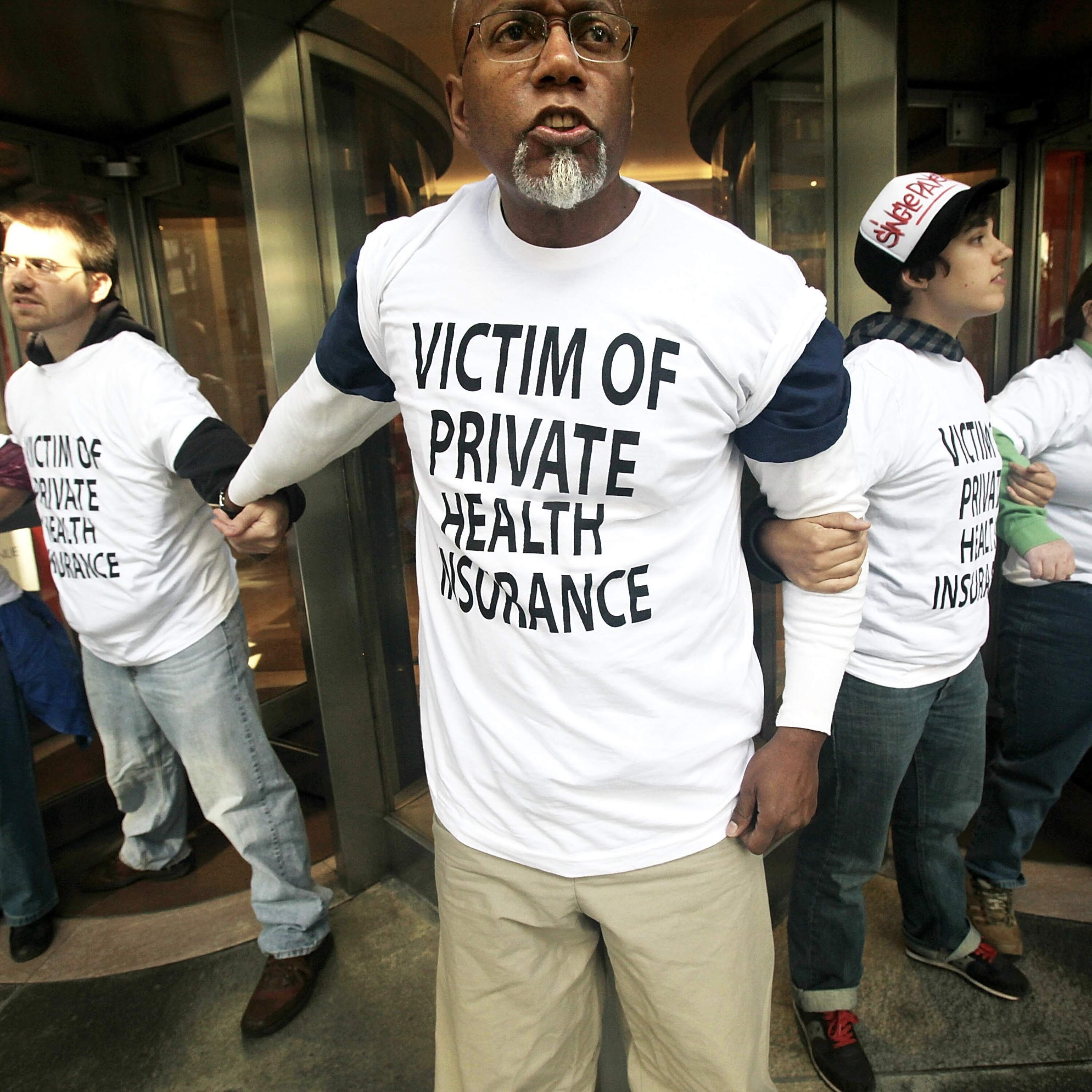
Kennedy's greatest regret: almost striking a deal with Nixon on universal healthcare in 1974
The healthcare reform plan Nixon proposed at his lowest point during Watergate was more radical than Obamacare later, but Kennedy surrendered to pressure from allies and abandoned negotiations, calling it his greatest political regret.
 53:49
The Jars Are Stone, but the Bones Are from 1000 CE
The jars themselves can't be radiocarbon-dated, but human bones, tooth ablation, and dates clustering around 1000 CE both inside and outside the jars suggest this stone-jar mortuary tradition persisted long after the Iron Age.
 45:29
The only time Rasputin was right—and the tsar ignored him
Rasputin warned the tsar against entering World War I—one of his rare correct judgments—but the tsar never heeded him on military matters. Yet on personnel appointments, the tsar gave the empress and Rasputin a free hand, ultimately destroying the empire's entire administrative system.
43:14Lawrence betrayed not the Arabs, but the British Empire he had sworn to serve
After learning early of the secret pact dividing the Arab world between Britain and France, British intelligence officer Lawrence did not remain loyal to the Empire—instead, he told Faisal, ‘Don't trust my government's promises,’ and chose his side first.
 1:02:45
Russia lifted its siege, but Britain and France fabricated a pretext to invade Crimea
After the siege of Silistria was lifted, Britain and France had already achieved their Balkan war objectives; invading Crimea and besieging Sevastopol were merely to account to the already-deployed fleet and an unsatisfied public.
41:01Bank of America sent 60,000 credit cards to one city in 1958 with no applications
In 1958, Bank of America mailed credit cards to 60,000 Fresno residents with zero screening or applications—a gamble that nearly bankrupted the bank but unexpectedly launched the nationwide credit card era.
1:22:47Polish film history was actually written by film festivals: never reaching Cannes means never having made a film
A researcher noted that when David Bordwell wrote the history of Romanian cinema, he didn't write about it at all—not because the films were bad, but because those films were never sent to Western film festivals where he could see them.
 35:35
The Forgotten Victorian Strongwomen: When Weight Meant Strength and Beauty
The modern ideal of slenderness is only around a hundred years old. In the Victorian era, circus strongwomen weighing two hundred pounds were called ‘the strongest and most beautiful women in the world’.
 19:29
Theodore Roosevelt didn't create the NCAA; a campus death did
After 1905's ‘death harvest’, the NCAA's rules committee came from the NYU president bypassing the Big Three, not from Roosevelt's conference.
 36:03
A six-year-old bride for a future emperor: England's first treasury expense
Henry betrothed his six-year-old daughter to a Germanic king who seized power by confining his father, offering a dowry of 10,000 marks—the exact price Rufus once received for selling off the entire Duchy of Normandy.
 1:11:51
Zheng He's voyages were not about exploration but about legitimizing a usurper's rule
Ge Jianxiong argues that Zheng He's true purpose was not exploration or trade, but for usurper Zhu Di to prove his imperial legitimacy through foreign tribute—fundamentally different from Columbus's purely economic motives of gold and land.
39:53Three Marriages to Navigate France; Brittany Annexed Eighteen Years After Her Death
Anne married three times and was crowned French queen twice; through marriage clauses she compelled France to recognize Brittany's independence; but after her death, the king violated her dying wishes and annexed Brittany into France.
 51:01
Before Sinking the Belgrano, the Deputy Commander Halted the Firing Order
Before the nuclear submarine Conqueror sank the Argentine cruiser Belgrano, Deputy Commander Maikelaimen (麦克莱蒙) halted the captain in the control room, waiting only for a better firing angle—it was the first time a British submarine had actually fired since World War II.
 1:10:13
A single key at the Church of the Nativity sparked the Crimean War
The Crimean War was ignited by a dispute over the ownership of a key at the Church of the Nativity; England, France, and Russia slid into this conflict in mutual suspicion and miscalculation, sleepwalking into it like the Great Powers of World War I to come.
54:40Lawrence of Arabia's private writings praised Jewish farming as the desert's bright spot
Lawrence's fame rests on being the Arab liberator, but his private writings about Palestinian Jewish farming settlements—praising their rapid expansion as desert's bright spots—directly contradict the image history granted him.
 23:20
Dutch capitalism stemmed not from Protestant ethics but from medieval economy's natural evolution
Economic historians now hold that Calvinism and capitalism grew in parallel in Dutch soil, each reinforcing the other, rather than Protestant ethics generating the spirit of capitalism.
 47:26
The Roman Succession War: Victory Was Decided Not by Blood, but by Proximity to Rome
Among the five claimants to the Roman throne in 193, the true deciding factor was the speed of information transmission—Severus learned of the emperor's assassination seven days before his rivals, allowing him to mobilize first and seize the throne.
 1:33:04
Historic Republican defeat: voters punish all incumbents who can't fix the cost of living
The show's review found that money in elections and gerrymandering—two ‘ideological weapons’—both failed: what actually decided the midterms was gas prices, diesel prices, and mortgage rates driving Trump's net favorability from +5% to -28%.
18:20She Believed She Had Swallowed an Entire Glass Piano: How This Delusion Swept Across Europe for Centuries
From the Middle Ages through the early 19th century, Europe saw repeated cases of the delusion "I am made of glass"—King Charles VI of France forbade anyone to touch him, and a royal physician once set fire to a bed to force a patient to jump up unharmed and supposedly "cure" his delusion.
 52:30
What locked in American employer health insurance was not WWII accident but Eisenhower's choice
WWII wage controls only accidentally let employer health insurance sprout; the Eisenhower administration in the 1950s made it America's permanent system by deliberately writing this tax benefit into law.
 1:11:08
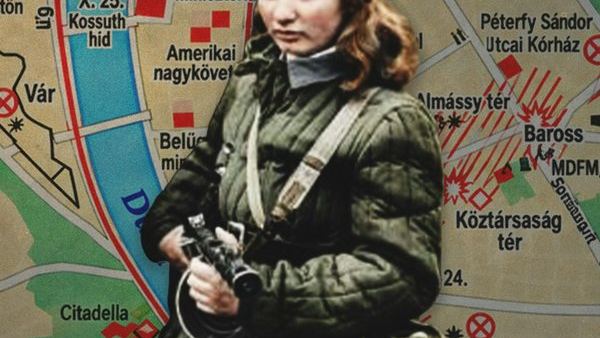
Hungary declared Warsaw Pact withdrawal only after Soviet forces had invaded
When Nagy announced Hungary's neutrality and Warsaw Pact withdrawal, Soviet troops had already crossed the border. A desperate act of self-preservation rather than provocation, it nonetheless failed to win material support from the UN or the West.
 58:23
Damp explosives might have kept World War One from ending in 1915
One night a fortress gate failed to blow because the charges were damp. Austria-Hungary narrowly avoided immediate collapse—and the program argues that this and similar contingencies explain why World War One continued past 1915 until 1918.
35:55Before Writing the Report, the Doctor Had Never Met the King Judged Mentally Ill
Ludwig II's deposition was based on a psychiatric report that Gudden wrote without ever examining the king himself, relying only on testimony from political enemies; the two men subsequently both drowned, and the cause of death remains a mystery.
1:35:24Regulated verse meter was how aristocratic hierarchy got formalized into poetry
Discovering Chinese's four tones in the Yongming era launched regulated verse, but what truly crystallized it was aristocratic logic: everyone must fit precisely into rank. Bland content counted as poetry if meter was correct; brilliance meant nothing if tones misaligned.
39:32Two traders cornered the onion market and forced Congress to permanently ban onion futures
The two conspired to buy nearly all Chicago onions, forced distributors to sign a secret deal, then shorted the market and crashed prices to historic lows, leading Congress to permanently ban onion futures trading.
 47:15
Peter the Great Returns: The Ships He Took, the Parliaments He Left
He visited post-Glorious Revolution England and the Dutch Republic, but brought home only shipbuilding technique, shaving ordinances, and gun-fort blueprints—parliament and political freedom stayed in Western Europe.
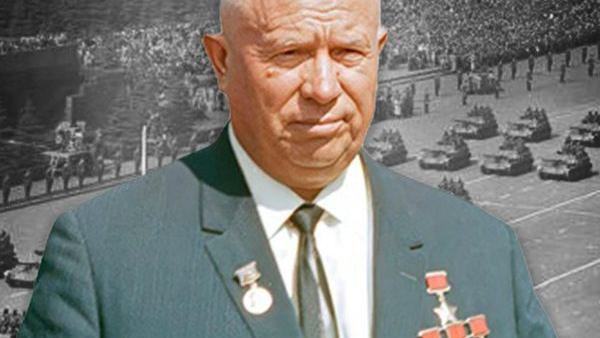 1:25:31
What ignited Hungary's 1956 revolution was a debate club run by poets and writers
After eleven years of authoritarian rule, the uprising was ignited not by underground movements or worker leaders, but by a public debate organized by poets and writers—showing that the Rakosi regime had nothing left but force, no hearts to win.
1:02:36The Cuban Missile Crisis Almost Sparked Nuclear War—One Soviet Officer's Dissenting Vote Stopped It
On Soviet nuclear submarine B-59, two of three officers agreed to launch a nuclear torpedo—only Arkhipov dissented, and his single vote held veto power under Soviet protocol, blocking nuclear war's trigger.
The Revolutionary War's darkest two years, held up by a reluctant quartermaster
Greene won at Trenton and Princeton and lost at Brandywine and Germantown, but what truly kept the Continental Army going was the logistics chief position he grimly undertook.
 1:07:37
Homer's epic heroes were everyday names for ordinary Mycenaeans
On the accounting tablets from Mycenaean palaces, Eteocles and Achilles were merely the names of commoners who owed goods to the crown—the "heroic" names from Homer's epics were actually everyday names anyone bore then.
38:43She predicted two warships sinking at séances; Britain used the Witchcraft Act to silence her
Prosecutors declared in court this was fraud, not witchcraft, but what actually prompted them to invoke the 1735 Witchcraft Act was that she had correctly predicted two British warships sinking; the military feared she might leak information before the Normandy landings.
1:15:25Cao Cao's real aim at Red Cliffs: pursue Liu Bei, not destroy Eastern Wu
Cao Cao's letter to Sun Quan was a threat, not a surrender ultimatum. His real aim going south was to chase the fleeing Liu Bei. He stumbled into the Battle of Red Cliffs only when Sun Quan chose to fight, and the fire burned at Wulin, not Red Cliffs.
 51:46
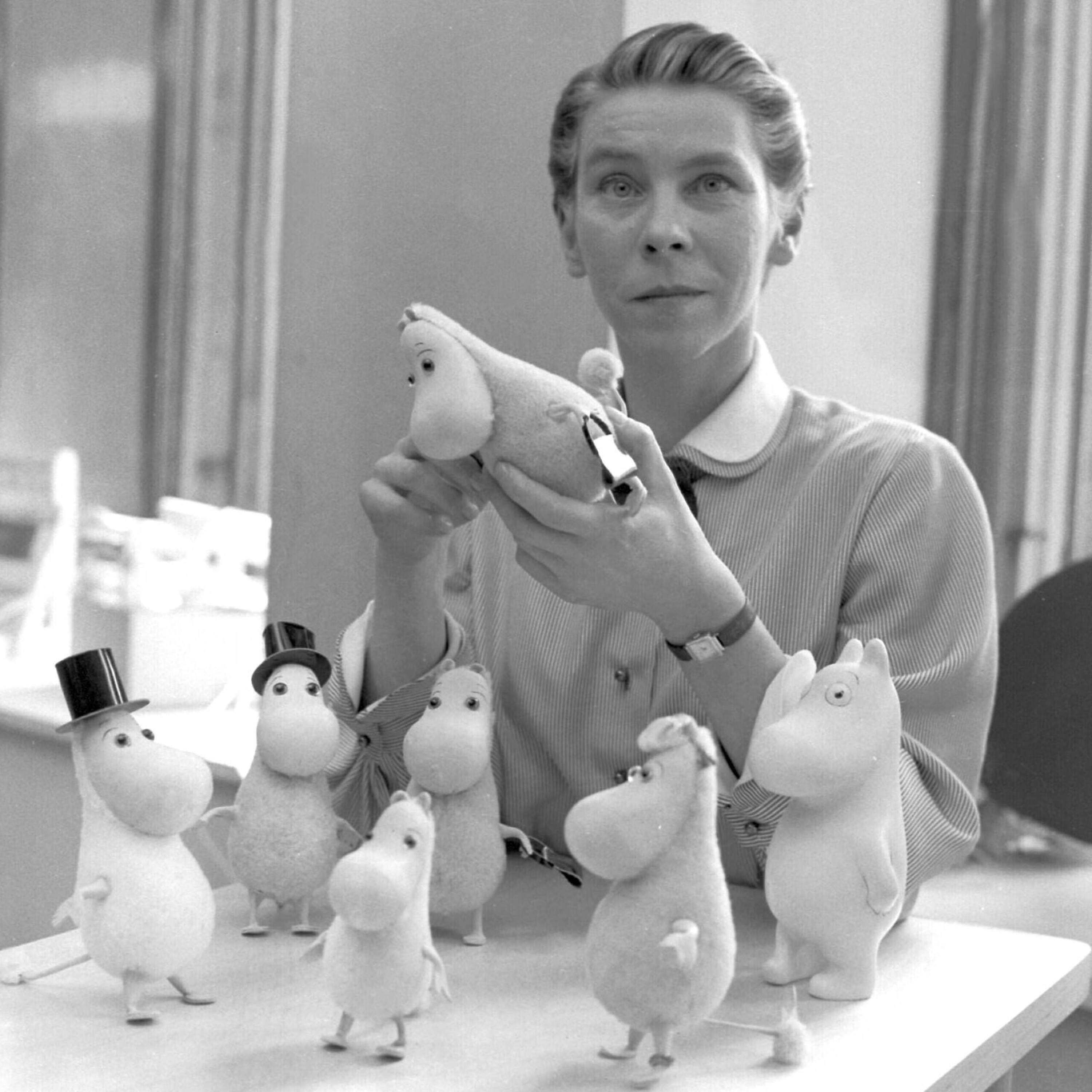
Moomin's first book sold only 219 copies—the third book made it a phenomenon
Moomin's first two books were apocalyptic parables written amid wartime bombing, almost completely ignored; the third book that made her famous abandoned war allegory but kept an ominous character to remind readers that fear never truly disappears.
 1:04:08
Easter Island was not ecological suicide: European plague killed the population, not forest deforestation
Europeans landed four years before Captain Cook arrived, bringing Old World diseases to which islanders had no immunity; the real population destroyer was this plague, not forest deforestation caused by islanders themselves.
 27:55
Protestantism didn't banish medieval ghosts—it just swapped them for deadlier demons
Protestants dismissed ghosts as Catholic superstition, but they didn't deny the supernatural—they reinterpreted it, swapping debt-collecting spirits for far more sinister demons. James VI's *Daemonologie* of 1597 is the proof.
 1:16:31
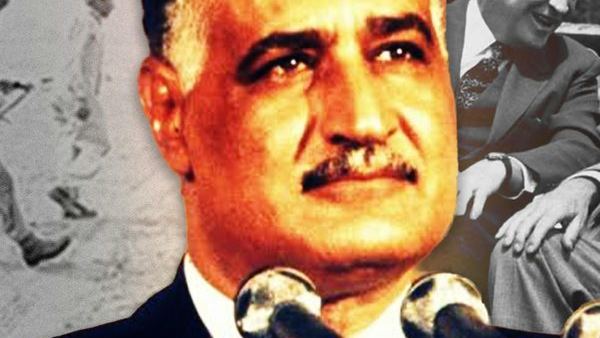
Anglo-French military victory in Suez, cut short by American financial pressure
In two days, British and French forces obliterated Egypt's air force and pushed ground lines forward, but mounting American pressure on sterling reserves forced a hasty ceasefire and withdrawal.
49:44Kennedy became a national star by losing the vice-presidential nomination
In 1956, the Democratic Party unprecedentedly threw the vice-presidential nomination to an open convention floor vote. Kennedy narrowly lost in the final round but became a national political star for the first time—and avoided accountability for that year's Democratic landslide.
The 60 most recent are listed here; filter the front page by topic for all 260.